How Electronic Shelf Labels Help Retail Teams Reclaim Time
For Australian retailers, every minute counts. Store employees already have a long list of responsibilities, from assisting customers and replenishing stock to maintaining displays and managing promotions. Yet updating paper price tickets can take up valuable time that could otherwise be spent on activities that directly support the customer experience.
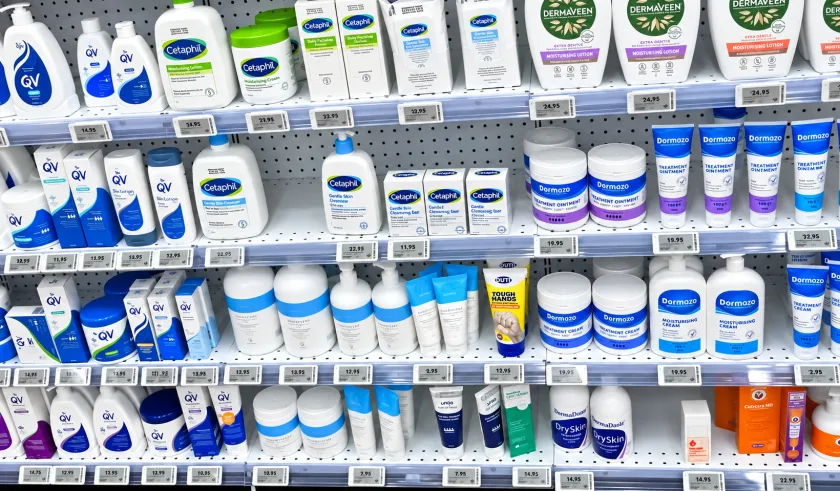
Electronic Shelf Labels (ESLs) provide a digital alternative to traditional paper tickets. Also referred to as digital shelf labels, electronic price tags or digital price tags, ESLs allow retailers to update prices and product information electronically. By reducing repetitive manual tasks, this technology can help create more efficient retail operations.
Updating shelf prices manually involves several steps. Employees may need to print new tickets, locate the correct products, remove existing labels, install replacements, and then check that everything has been updated correctly.
When a store has hundreds or thousands of products, these tasks can quickly become a significant drain on staff time.
An Australian example highlights the potential impact. ABC News reported that a NSW pharmacy had previously spent approximately 10 hours per week putting out and changing paper price tickets. Following the introduction of electronic price labels, prices could be changed in seconds rather than requiring hours of manual work. Source: ABC NEWS
Electronic shelf label technology can connect the shelf edge with systems such as a retailer’s POS, ERP, or inventory management platform. Depending on the technology and integration, authorised price changes can be transmitted directly to the relevant ESLs.
This eliminates the need for employees to physically visit every affected product and replace its paper ticket.
For retailers operating multiple stores, pricing automation can also provide a centralised way to manage shelf-edge pricing. Retail teams can make relevant updates across products, departments, or locations, helping simplify price management and maintain greater consistency.
Saving time is only one part of the benefit. What retailers do with that reclaimed time can be even more valuable.
This can be particularly useful for Australian pharmacies, supermarkets, grocery retailers, liquor stores and specialty retailers, where teams often need to manage frequent price changes alongside their everyday responsibilities.
Future Shop’s Australian ESL projects demonstrate how retailers can use the technology to simplify shelf management. At House of Pharmacy, ESLs have been used to support pricing changes, promotional activities and day-to-day store operations. ESL technology has also been implemented at Supercellars Penrith across thousands of products to help reduce the workload associated with manual ticketing.
With paper tickets, employees may occasionally overlook a price change, misplace a label, or leave an outdated ticket on the shelf. These issues can create differences between the displayed shelf price and the price in the checkout system.
When electronic shelf labels are integrated with POS systems, retailers can establish a more connected pricing process. This can help ensure that shelf-edge information is updated alongside changes made within the retailer’s central systems.
Turn Time Savings Into Business Value
Electronic Shelf Labels are more than a digital replacement for paper price tags. They form part of a wider retail automation strategy that connects pricing systems with the physical shelf.
For Australian retailers, reducing repetitive ticketing work can give employees more time to focus on customers, stock, merchandising and store performance.
By implementing ESL, digital shelf labels, shelf-edge technology, and pricing automation, retailers can modernise their pricing processes while creating a more streamlined and productive store environment.