The Shelf-Edge Showdown: Electronic Shelf Labels vs. Traditional Price Tags
Modern shoppers expect a flawless retail experience. From clear product information to absolute pricing accuracy at the checkout, any friction at the shelf edge instantly damages consumer trust. For independent retailers facing intense market pressure, finding the sweet spot between operational technology and manual upkeep is the key to protecting margins.
If you are still weighing traditional paper ticketing against Electronic Shelf Labels (ESLs), the decision comes down to three factors: store agility, staff constraints, and evolving customer expectations. Here is why the physical storefront is going digital.
The Rise of ESLs: Transforming Retail Strategy
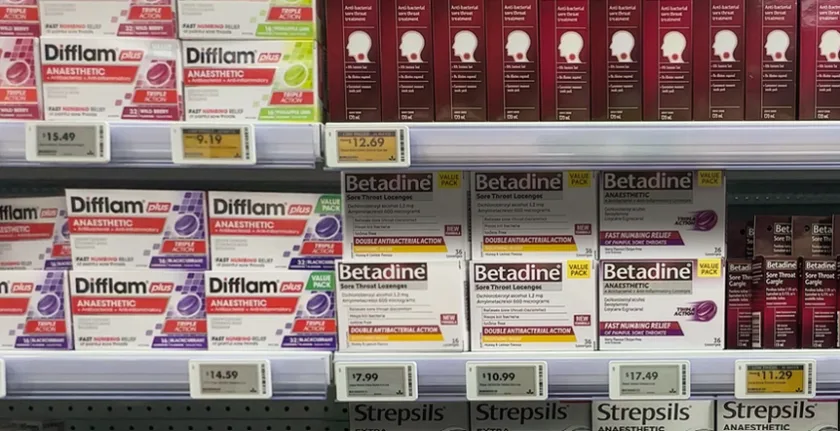
Electronic Shelf Labels are the modern, automated answer to the static paper pricing strip. These battery-powered IoT devices snap directly into standard shelf channels, featuring high-contrast e-paper or LCD screens that communicate wirelessly with a central operating dashboard.
With an ESL infrastructure, store managers can push dynamic price updates across thousands of product lines in seconds. This creates a synchronised ecosystem where price adjustments, low-stock thresholds, and live promotions happen instantly, completely transforming how stores execute margin optimisation.
The Hidden Cost of Traditional Paper Labels
Despite being the legacy baseline for decades, paper ticketing is fundamentally flawed for fast-paced retail. Manual tags are slow, static, and highly vulnerable to human error.
Every single price change requires a tedious chain of coordination: updating the database, wrestling with printer hardware, sorting the tickets, and deploying floor staff to physically swap them out. This inevitable lag creates hidden operational costs: delayed promotions, wasted materials, and the dreaded pricing mismatch at the register that degrades customer loyalty.
Where ESLs Outperform: Accuracy, Efficiency, and ROI
Automating your shelf edge eliminates the vulnerabilities of manual processing. While installing an ESL system is an upfront technology investment, the return on investment is rapidly realized across your entire operation:
1. 100% Price Compliance: Centralised administration ensures the price on the shelf is the exact price at the point of sale (POS), protecting revenue and eliminating customer frustration.
2. Labor Cost Reclamation: Free your floor staff from dozens of hours of tedious ticket sorting and installation every week, allowing them to focus on customer service and active selling.
3. Instant Margin Optimization: Execute agile markdown strategies on surplus inventory instantly, preventing direct product write-offs.
4. Enhanced Customer Engagement: Leverage multi-colour screens to capture attention, and use NFC/QR capabilities to link shoppers directly to deep product specifications or ingredients.
5. Direct Material Reductions: Eliminate the endless recurring costs, and environmental impact, of paper stock, print inks, and plastic protector slips.
Turn Your Shelf Edge Into a Competitive Advantage
For modern retail and pharmacy operators focused on scaling efficiently, digital price tags are no longer a luxury, they are a fundamental operational asset.
Stop burning valuable staff hours printing, replacing, and checking paper tags. Give your team the freedom to focus on customers. Give your business the agility to respond instantly to market changes. Give your shoppers the accuracy they expect.
Ready to see how much your store could save?
Talk to our ESL specialists today to discover a tailored shelf-edge solution designed around your store, your challenges, and your growth goals.
Start your ESL journey today: Fill out the contact form https://futureshop.com.au/contact/ or email contactus@futureshop.com.au.