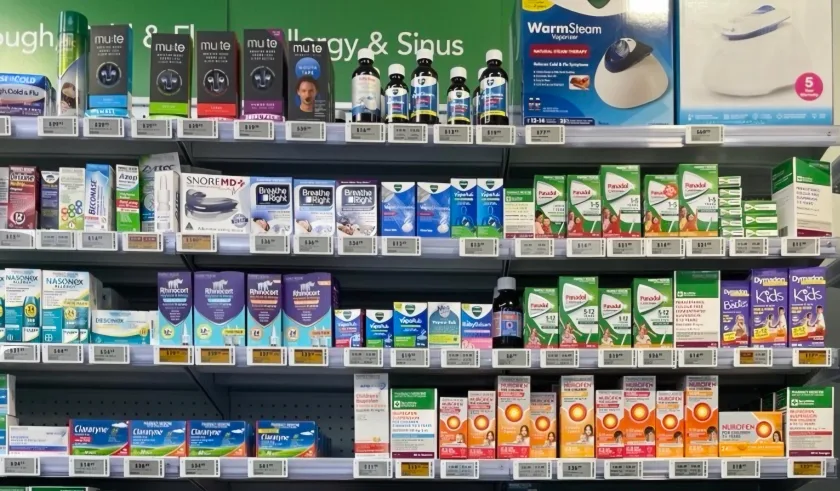
How Electronic Shelf Labels Eliminate Price Mismatches and Build Shopper Trust
In the fast paced world of brick and mortar retail, customer loyalty hinges on one critical factor: trust. Modern shoppers expect a seamless experience, from browsing the aisles to paying at the checkout. However, a common operational challenge continues to threaten this trust: keeping shelf prices accurate and consistent with checkout prices.
To address this challenge, forward thinking retailers are moving away from traditional paper price tickets and adopting electronic shelf labels (ESLs) to improve pricing accuracy, streamline store operations and build shopper confidence.
The Hidden Cost of Paper Label Errors
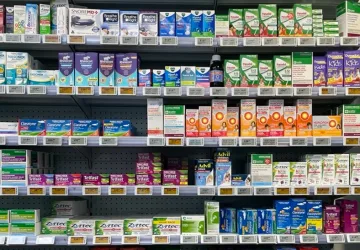
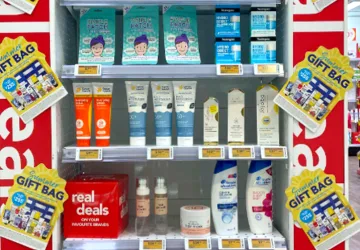
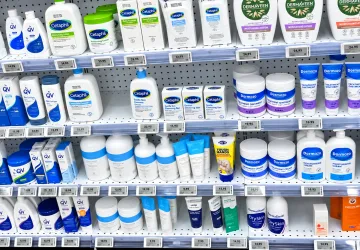
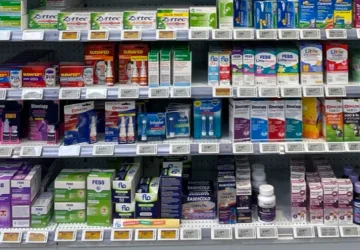
For decades, paper price tickets have been the standard in retail. However, manually printing, sorting and replacing thousands of labels creates opportunities for human error. Frequent price changes, promotions and product updates make it difficult for store teams to keep every ticket accurate and up to date.
Research by the US Federal Trade Commission (FTC), conducted with the National Institute of Standards and Technology (NIST) and other authorities, found that 4.82% of items checked in its 1996 retail pricing study had incorrect prices. A follow up study in 1998 recorded a lower error rate of 3.35%. Although these studies examined checkout pricing discrepancies rather than paper shelf labels alone, they demonstrate the challenges retailers face in maintaining price accuracy.
When a shopper sees a discounted price on the shelf but is charged the full price at the register, the result can be frustration, checkout delays and additional work for staff. Repeated discrepancies can undermine customer confidence and damage a retailer’s reputation.
How Electronic Shelf Labels Help Keep Prices in Sync
Electronic shelf labels (ESLs) help reduce pricing discrepancies by automating the process of updating prices at the shelf edge. Instead of requiring staff to physically replace paper tickets, ESL systems use wireless communication to update digital displays from a central pricing system. When integrated with a retailer’s Point of Sale (POS) system, price changes and promotions can be reflected across connected shelf labels and checkout systems.
For Australian retailers, compatibility with existing systems is an important consideration. Future Shop supports POS integrations with Bepoz, Fred, Minfos, Shopfront and Swiftpos, helping retailers incorporate electronic shelf labels into their existing technology environment.
By reducing reliance on manual ticket changes, ESLs help minimise errors caused by missed updates, incorrect label placement and outdated pricing information. They also allow store teams to spend less time replacing paper tickets and more time serving customers.
Future Shop: Proven ESL Experience Across Australian Retail
Choosing the right ESL solution means looking beyond the technology itself. Retailers need a provider with practical deployment experience and an understanding of local retail operations.
Future Shop has deployed more than 250,000 electronic shelf labels across 100 Australian stores, demonstrating its experience delivering digital shelf labelling solutions for retail environments.
With POS integrations including Bepoz, Fred, Minfos, Shopfront and Swiftpos, Future Shop helps retailers connect shelf edge pricing with their existing systems and reduce the manual work involved in maintaining accurate prices.
For retailers and pharmacies managing frequent price changes, promotions and large product ranges, this can mean more efficient pricing updates, fewer avoidable discrepancies and a more consistent shopping experience.
Protect Your Margins and Build Customer Loyalty
Accurate pricing is essential to protecting margins and maintaining shopper trust. Electronic shelf labels help retailers streamline price updates, reduce manual processes and keep shelf pricing aligned with their connected systems.
While no technology removes every possible source of pricing error, automating shelf label updates can help address the risks associated with manual price changes and give store teams greater control over pricing operations.
Ready to modernise your store’s pricing process?
Complete the contact form at Future Shop or email contactus@futureshop.com.au.
Sources:
1. Federal Trade Commission (1996). FTC-State Study: Checkout Scanner Pricing Largely Accurate, Undercharges Outweigh Overcharges. The study reported an overall pricing error rate of 4.82% across the items inspected. Read the FTC report.