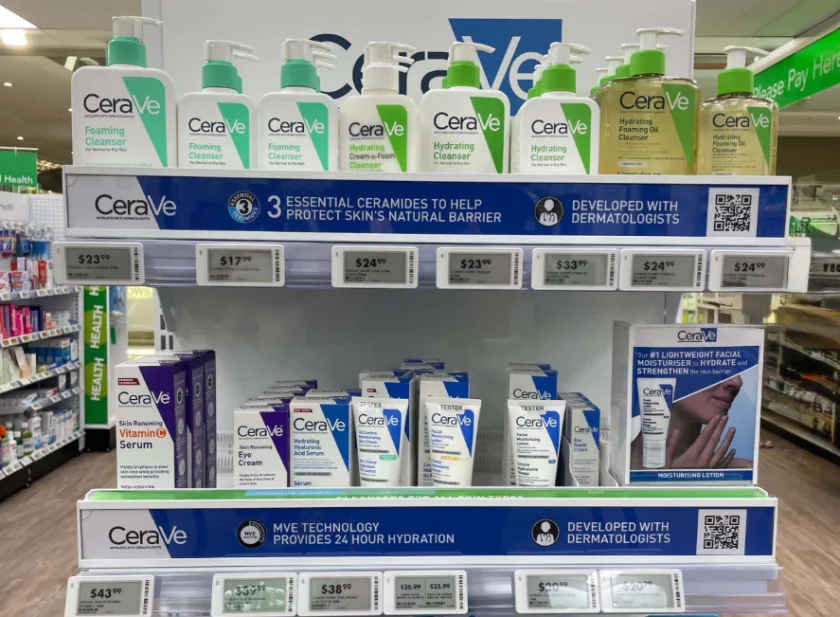
Electronic Shelf Labels: Sustainability and Cost Benefits
Electronic shelf labels are changing how pharmacies, grocery stores, health food retailers, and specialist shops manage prices and product information. Instead of printing and replacing paper tags by hand, retailers can update digital shelf labels remotely through a central system. Electronic shelf labels can reduce paper and ink use, lower labor demands, improve pricing accuracy, support faster markdowns, and, for food and grocery retailers, help reduce food waste. When planned carefully, the technology can deliver both environmental and operational benefits across channels.
What are Electronic Shelf Labels?
Electronic shelf labels, often called ESLs, are small digital displays attached to retail shelving. They show product information such as product name, price, promotions, discounts, stock or availability information, and QR codes.
A central platform sends updates to the labels through a wireless network, allowing retailers to manage thousands of prices without printing new tags or sending staff into every aisle.
Key benefits of Electronic Shelf Labels
1. Less Paper, Ink, and Packaging
The most direct sustainability benefit of ESL technology is the reduction in printed materials. Once installed, a digital label can display many price changes without requiring a new physical tag.
Retailers can also reduce the need to store rolls of paper, replacement labels, and promotional signage. That creates a simpler back-office operation and frees up valuable storage space.
2. Lower Labor Requirements
Replacing paper labels takes time. Employees must receive or print the updated tags, sort them by department or aisle, walk to the correct location, remove the old labels, and install the new ones. Electronic shelf labels automate much of this work, allowing employees to spend more time helping customers.
3. Remote Updates Improve Operational Efficiency
One of the strongest benefits of electronic shelf labels is the ability to update prices remotely. A head office, pricing team, or store manager can make a change in a central platform and send it directly to selected labels — across a single store or an entire network of locations.
4. Fewer Pricing Errors and Better Customer Trust
Manual price changes create opportunities for mistakes. A printed tag may be placed under the wrong product; an old promotion may remain on the shelf, or an update may be missed in a busy department.
Electronic shelf labels can reduce these errors when they are connected to the retailer’s pricing, inventory, or point-of-sale systems. The shelf price is more likely to match the price in the central system, helping reduce disputes at checkout.
An illustrative Cost Model
The table below is an illustrative estimate rather than a universal forecast — actual results will vary by store size, wage rates, update frequency, and system design. It’s intended as a starting point retailers can adapt with their own figures.
These figures are illustrative placeholders. Before presenting this model externally or to stakeholders, retailers should replace them with their own labor rates, current paper/print spend, and historical error-correction costs.
Assumptions: a mid-sized store processing around 500 price changes per week.
| Cost area | Estimated monthly cost | Estimated monthly savings |
|---|---|---|
| Paper, ink, and printing | Labels, ink/toner, printer wear | $150 |
| Labour for price updates | 60 hours/month at $25 per hour for average employee changing prices plus printing, sorting, and replacing tags | $1,500 |
| Pricing error corrections and refunds | Estimated cost of mispriced-item disputes and corrections | $120 |
| Total savings | $1,770 | |
How to Measure the Return On Investment of ESL
A strong business case should combine financial savings with operational and environmental improvements. Before installation, retailers should measure their current paper-label process. The return on investment can then be assessed across several categories:
| Benefit category | Measurement example |
|---|---|
| Paper savings | Labels avoided per month |
| Printing savings | Ink, toner, and equipment costs avoided |
| Labor savings | Hours reduced from manual replacement |
| Error reduction | Fewer pricing corrections and refunds |
| Food waste reduction | Lower value of expired or discarded products |
| Revenue recovery | Additional sales from faster markdowns |
| Store productivity | More employee time available for customers and replenishment |
From Cost Reduction to Smarter Retail
Electronic shelf labels offer a practical way to connect sustainability with operational efficiency. They reduce the need for repeated printing, limit manual price changes, improve accuracy, and help retailers respond faster to products that need a markdown.
Contact us to explore what an ESL strategy could look like for your store. Fill up the form here: https://futureshop.com.au/contact/ or email contactus@futureshop.com.au