What Electronic Shelf Labels Are and How They Work
What Is an Electronic Shelf Label (ESL)?
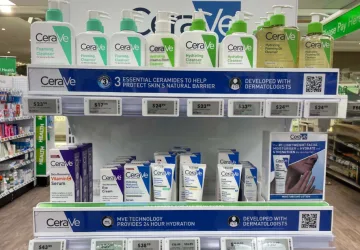
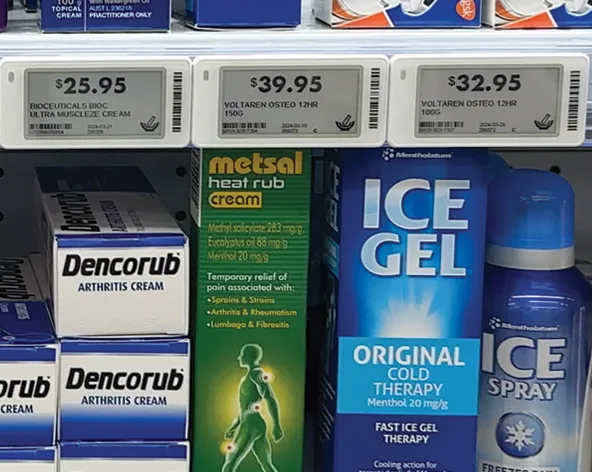
An electronic shelf label (ESL) is a compact, battery-operated digital display attached directly to the front edge of retail shelving. It’s a digital replacement for paper price tags, letting businesses display product details, promotional offers, and inventory data dynamically.
In pharmacy and wellness settings specifically, ESLs replace paper labels on shelves and update pricing, regulatory details, and product information automatically — usually through a central system connected to your pharmacy management software, POS, and inventory tools.
Why It Matters for Fast-Moving, Compliance-Heavy Categories
For categories like OTC medications, vitamins, sports nutrition, and clinical skincare, ESLs are more than a “nice-to-have.” They help pharmacies:
1. Maintain strict pricing accuracy at the shelf edge
2. Move inventory before expiry dates
3. Run targeted wellness promotions without the manual labour and compliance risk of paper tags
How the Electronic Shelf Label Technology Works
Most modern electronic labels use Electronic Paper Displays (EPD), commonly called e-paper or e-ink. This display technology mimics the appearance of ordinary ink on paper, staying crisp and legible even under harsh, bright fluorescent lighting. Because e-paper is bi-stable, it consumes zero energy while displaying a static image — power is only drawn during a refresh, which lets internal batteries last for years.
Three Core Components of an ESL System
1. Digital shelf labels — high-contrast e-ink displays attached to shelving rails, pegboard hooks, or specialised pharmacy fixtures
2. Store communication — gateways or routers that securely transmit encrypted updates to the labels
3. Central software — the hub that syncs drug pricing, insurance/HSA eligibility, promotions, and clinical product info to each specific tag
When a price or promotion changes in the system, the label updates within minutes. That means:
1. Zero mismatches between the shelf and the register
2. Fewer staff hours spent printing, cutting, and placing paper tags
Where ESL Fits in Modern Merchandising Strategy
In an era dominated by omnichannel shopping, maintaining a cohesive identity across sales channels is critical. Today’s consumers expect the price they see on a brand’s app or website to match what they find in the local store.
This is where digital shelf automation becomes a cornerstone of modern merchandising. With an automated shelf-edge network, corporate teams can implement dynamic pricing models that adjust to market trends, supplier cost fluctuations, or short-term flash sales in real time — instead of waiting days for staff to manually print, slice, transport, and slide paper cards into plastic holders.
A single employee can change thousands of prices across a global store network simultaneously — giving brick-and-mortar locations the agility to react to online competitors’ pricing on the fly, protecting sales and margin.
Why ESL Matters for Modern Pharmacies
Pharmacies operate under a unique set of constraints — juggling everyday consumer goods like beauty care and snacks alongside highly sensitive OTC medications, vitamins, and specialised medical supplies. In this environment, clear communication at the shelf edge is a safety parameter, not just a convenience.
Regulatory & Safety Information ESLs Can Flash Instantly
1. Precise dosage instructions and age restriction warnings
2. Clear allergen disclosures or active ingredient details
3. Immediate recall notifications flagged directly under the affected batch
Pharmacies are also bound by strict pricing regulations on prescription-adjacent items and subsidised health products. A single mismatch between the shelf and the register can damage patient trust or trigger compliance penalties. ESL removes the human-error vulnerability, keeping every touchpoint in sync.
Why Pharmacies Are Adopting ESL
1. Redeploying Expert Labour
Pharmacy technicians, cashiers, and pharmacists have specialised training. Having them sort through sheets of paper price labels is an inefficient use of that expertise. Automating the task frees staff to focus on higher-value work — patient consultation, clinical assistance, and healthcare delivery.
2. Empowered, Informed Shopping
Many advanced labels include embedded NFC or custom QR codes. Customers browsing sensitive medical or wellness products can discreetly scan the tag for deep product descriptions, usage videos, potential drug interactions, or digital coupons — without needing to ask personal questions aloud at the counter.
3. Optimised Stock Operations
Premium labels include multi-colour built-in LEDs that can be triggered remotely from central software. During nighttime restocking or click-and-collect fulfilment, a “pick-by-light” sequence flashes the correct tag — speeding up fulfilment and reducing placement errors.
Questions to Ask Before ESL Roll-out
Implementing an ESL system is a major operational upgrade. Before pulling the trigger, pharmacy owners and retail executives should work through these foundational questions:
Software Compatibility
Can the ESL management platform integrate natively with our current pharmacy POS, inventory database, and ERP frameworks?
Display Capabilities
Do we need standard black-and-white displays for crisp legibility, or do our promotional strategies call for three- or four-colour displays (red or yellow accents) to capture attention during markdown events?
Battery Performance & Lifespan
What’s the estimated battery life based on our anticipated daily refresh frequency — and how easy is it to replace the cell once it depletes?
Signal & Network Infrastructure
Will the wireless access points run over our existing enterprise Wi-Fi, or do we need dedicated sub-1GHz radio networks to avoid interfering with sensitive in-store medical devices?
Modernise Your Retail Edge Today
Relying on manual paper pricing tags leaves your business vulnerable to errors, operational lag, and inflated labour costs. The digital shelf era is already here — offering the operational agility a high-efficiency retail environment needs.
Reach out to our shelf-edge automation specialists today to request a comprehensive consultation and design a custom, scalable ESL strategy tailored precisely to your store’s goals.
Contact us to explore what an ESL strategy could look like for your store. Fill up the form here: https://futureshop.com.au/contact/ or email contactus@futureshop.com.au